
The Power of Touch: Why Massage Is More Than a Luxury
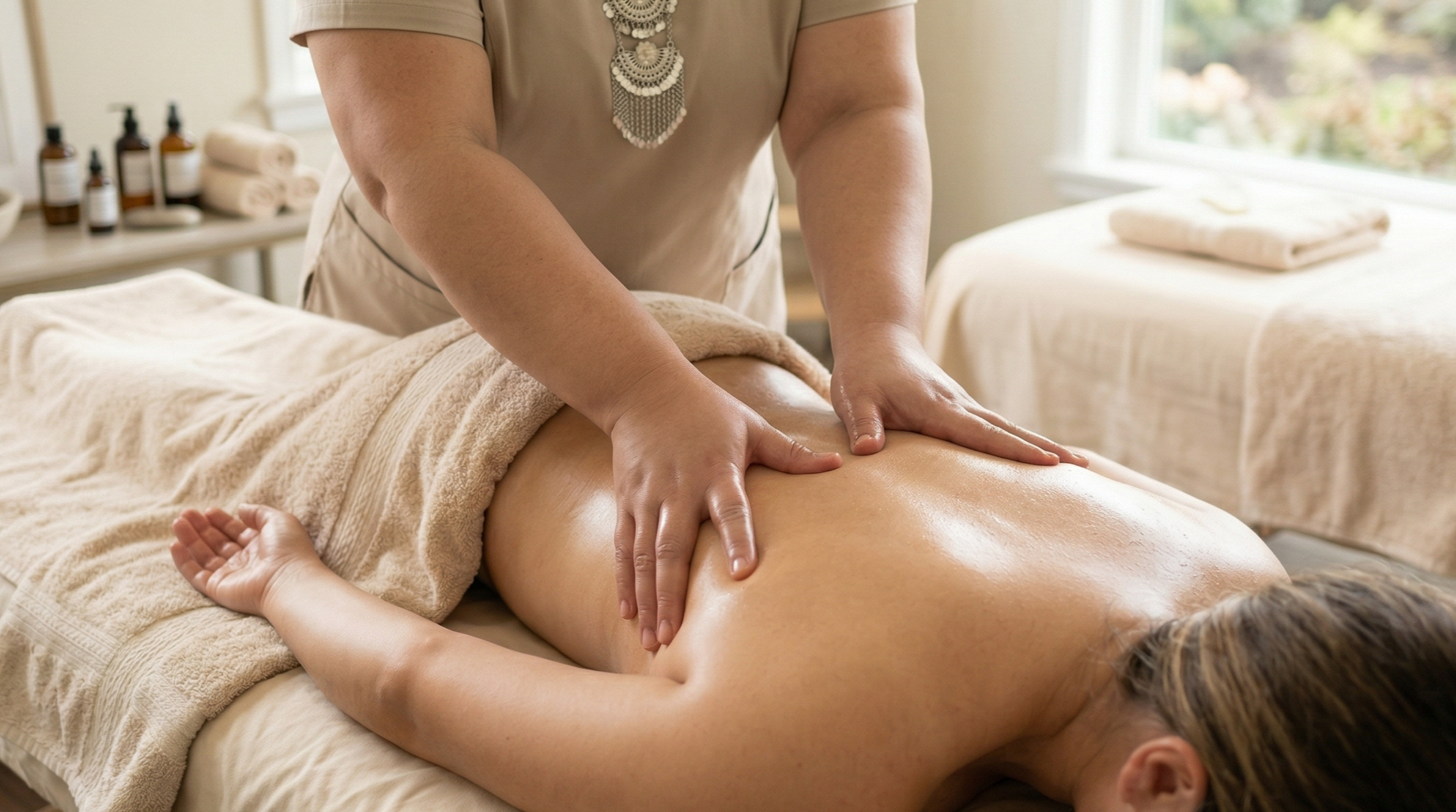
In a world where stress, tension, and burnout have become part of daily life, massage is often seen as a treat, something you do occasionally to relax. But the truth is, massage is not just a luxury. It is a powerful tool for healing, restoration, and overall well-being.
When done regularly, massage supports both the body and the mind. It helps release built-up tension, improves circulation, reduces stress hormones, and encourages your body to return to a state of balance. It’s one of the few practices where you are allowed to simply receive, to pause, breathe, and let go.
More Than Relaxation: Clinical Bodywork Benefits
Massage is not only for relaxation, but also for clinical bodywork to address specific physical concerns.
Targeted massage techniques can help with chronic pain, muscle imbalances, injury recovery, and tension patterns built up over time. Whether you’re dealing with tight shoulders, lower back pain, headaches, or repetitive strain from work, massage can be a therapeutic tool that supports real, physical healing.
It works by increasing blood flow to affected areas, reducing inflammation, improving mobility, and helping muscles return to proper function. Over time, consistent bodywork can improve posture, reduce pain, and enhance overall physical performance.
Massage, when used intentionally, becomes part of your healthcare and not just your self-care.
The Benefits of Massage
Massage offers more than just temporary relaxation. It creates lasting impact when incorporated into your routine:
Reduces stress and anxiety by calming the nervous system
Relieves muscle tension and pain, especially from daily strain or physical work
Improves blood flow and circulation, supporting overall health
Enhances sleep quality, helping you feel more rested and restored
Supports emotional release, as the body often holds onto stress and trauma
Assists in injury recovery and chronic pain management through clinical techniques
Many people don’t realize how much tension they are carrying until it’s released. After a session, it’s common to feel lighter, clearer, and more grounded.
What NOT to Do Before Your Massage
To get the most out of your session, there are a few things to avoid beforehand:
1. Don’t Eat a Heavy Meal
Try not to eat a large or heavy meal right before your appointment. A full stomach can make it uncomfortable to lie face down and fully relax. If needed, have a light snack instead.
2. Don’t Arrive Rushed or Stressed
Give yourself time to arrive calmly. Rushing into your appointment with heightened stress can make it harder for your body to settle. Arrive a few minutes early so you can transition into a relaxed state.
3. Avoid Alcohol
Alcohol can dehydrate your body and dull your awareness. It can also interfere with how your body responds to the massage. It’s best to come in clear and hydrated.
4. Don’t Skip Hydration
While this is something to do, it’s often overlooked. Coming in dehydrated can make muscles tighter and the massage less effective.
What TO Do After Your Massage
What you do after your session is just as important as the session itself.
1. Drink Plenty of Water and Avoid Alcohol
Massage helps move tension and stimulate circulation in the body. Drinking water afterward supports recovery and helps reduce soreness, lightheadedness, and other symptoms caused by dehydration.
2. Rest and Take It Easy
Give your body time to integrate the work. Avoid intense workouts or overexertion right after your massage. If possible, allow yourself a slower, gentler day.
3. Listen to Your Body
You may feel deeply relaxed, emotional, or even slightly sore the next day. This is normal. Your body is adjusting and releasing. Honor what you feel and give yourself what you need.
4. Stretch Gently
Light stretching can help maintain the benefits of the massage and keep your body feeling open and loose.
5. Stay Mindful and Present
Try to hold onto that sense of calm for as long as possible. Avoid jumping right back into stress or overstimulation. Even a few hours of mindful, slow living can extend the benefits of your session.
Massage as Self-Care and Healthcare
Too often, people wait until they are in pain or completely burnt out before booking a massage. But regular massage can help prevent that state altogether—and support your body in healing when issues do arise.
Taking care of your body is not something to delay. Your body carries you through everything: your work, your responsibilities, your life. It deserves care, attention, and moments of restoration.
Massage is both a way to relax and a powerful form of clinical bodywork that supports long-term health.
Final Reminder
Slow down.
Take care of your body.
Allow yourself to receive.
Because when your body feels supported and restored, everything else in your life flows more easily.
